The Mind As It Is, Between Walking and Staying
As-it-is-ness: A Solo Exhibition by Guo Hui
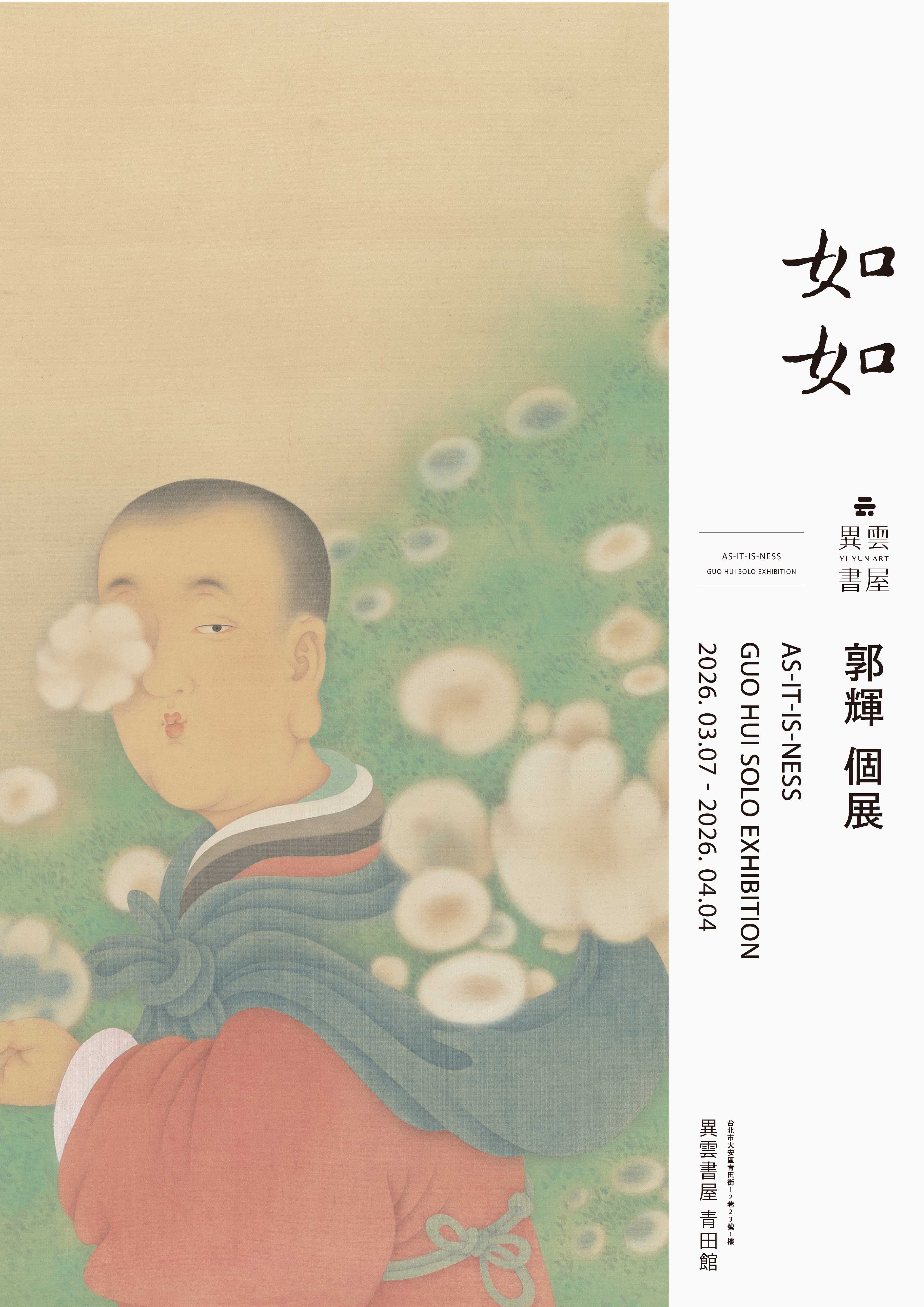
Following the 2025 group exhibition Beyond the Bounds: Figuring the Nonhuman, Yi Yun Art is pleased to present in March 2026 the solo exhibition As-it-is-ness by Guo Hui—his first solo presentation at the gallery.
Working primarily in Gongbi painting, Guo revisits classical motifs in East Asian art such as the itinerant journey, the lofty recluse, contemplation of things, and spiritual wandering. His aim, however, is not antiquarian revival. Instead, he releases these subjects from their historical frameworks and transforms them into images that reflect the psychological condition of contemporary life, unfolding an ongoing inner journey. As the artist writes, “Regardless of how eras change, the exploration of the inner world and the pursuit of a spiritual realm remain enduring questions that traverse past and present alike.” (n.1)
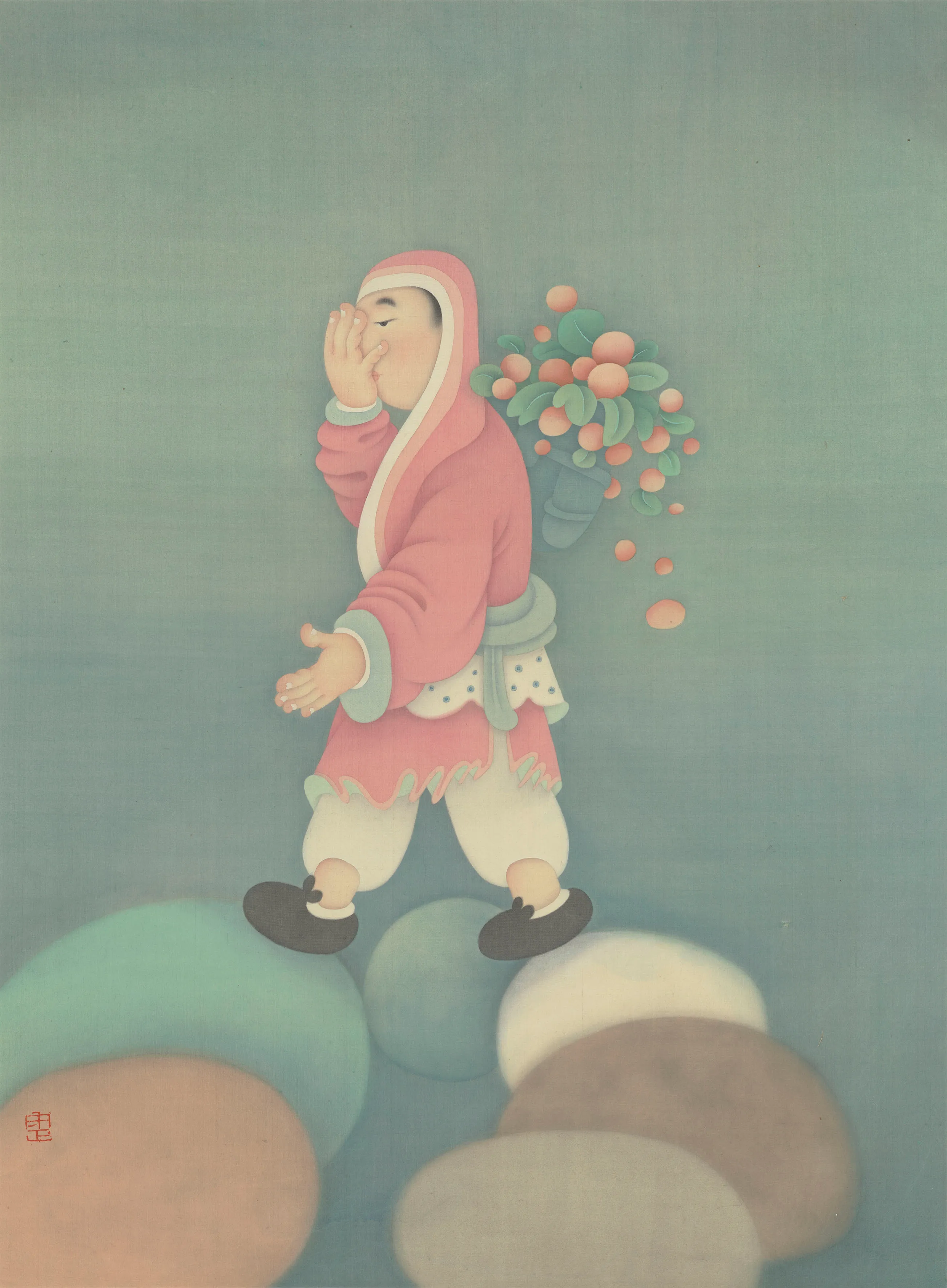
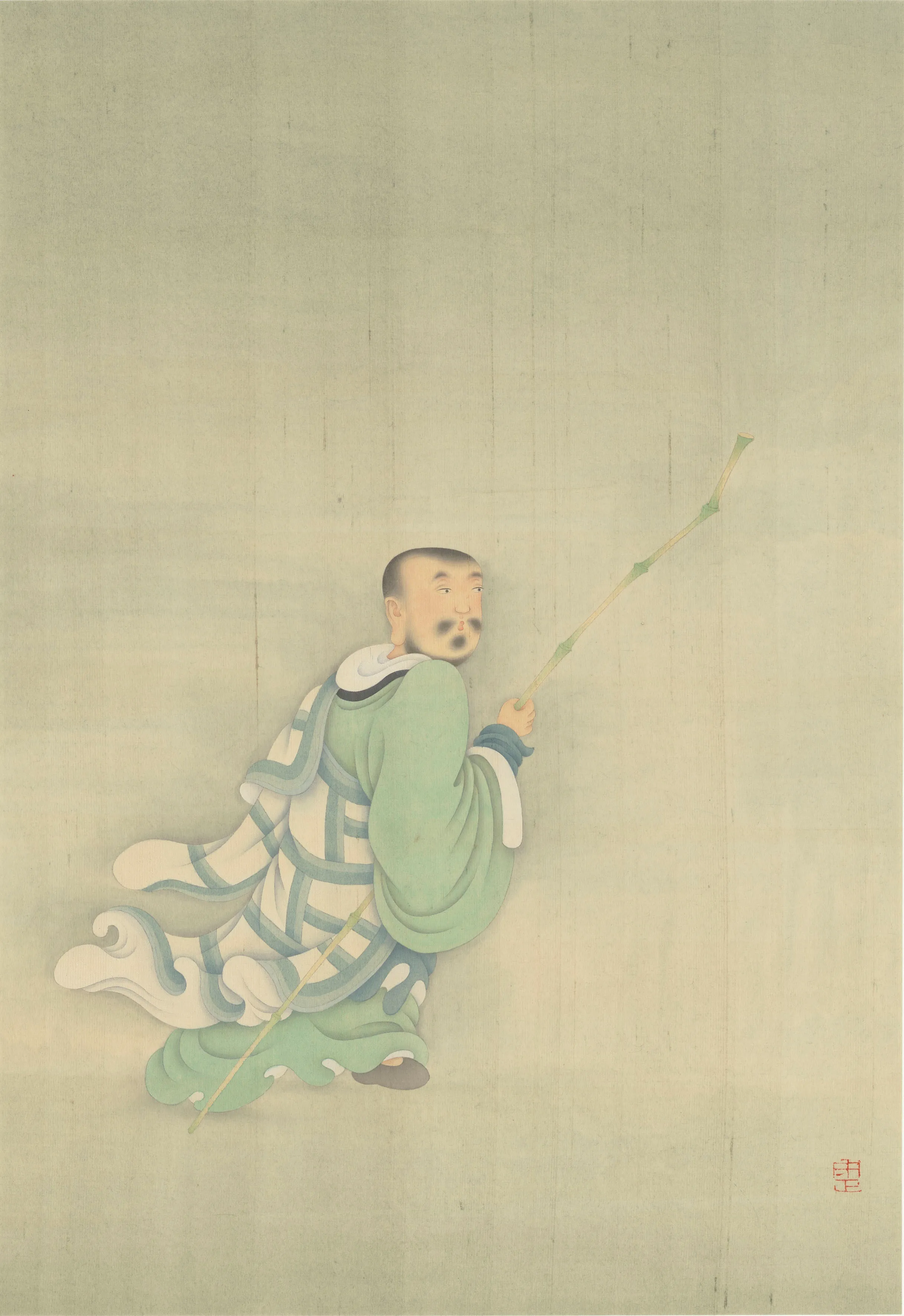
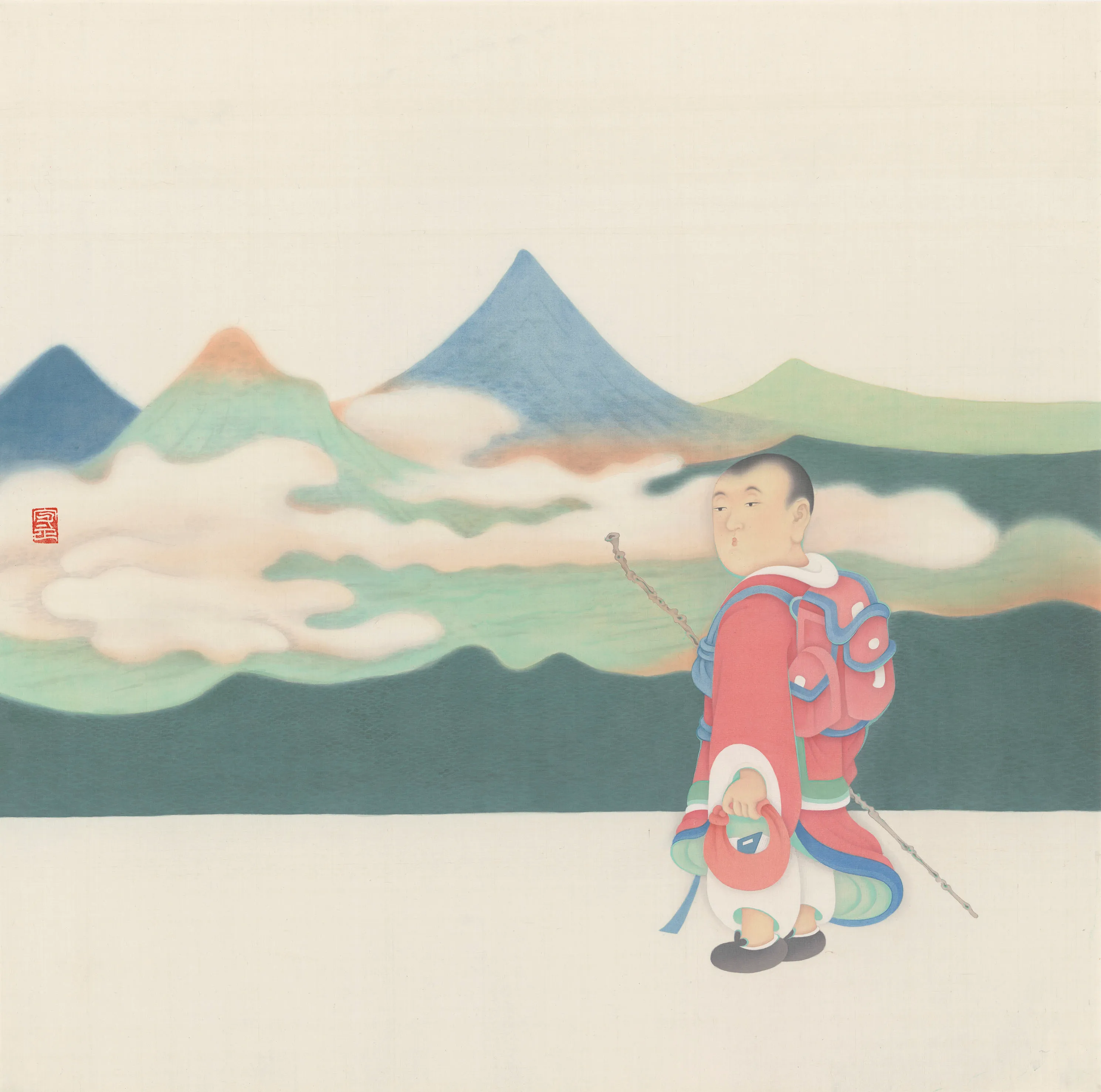
In works such as Solitary Passage (Taming the Tiger), Crossing the River, Walking Staff in the Autumn Wind II, and Hills Beneath the Staff, Guo offers varied interpretations of the itinerant figure. In expression, gait, posture, and attire, these figures depart from the effortless transcendence idealized by classical literati painting. Instead, they resonate more closely with contemporary experience—moving forward with difficulty, yet striving to steady their steps within the currents of reality while preserving an inner clarity.
In Crossing the River, the traditional implication of outward resistance is transformed into an inward search. In Hills Beneath the Staff, the conventional imagery of the road is removed, releasing walking from goal-directed movement: walking without destination may still remain grounded, sustained by an inner landscape that does not shift with circumstance.
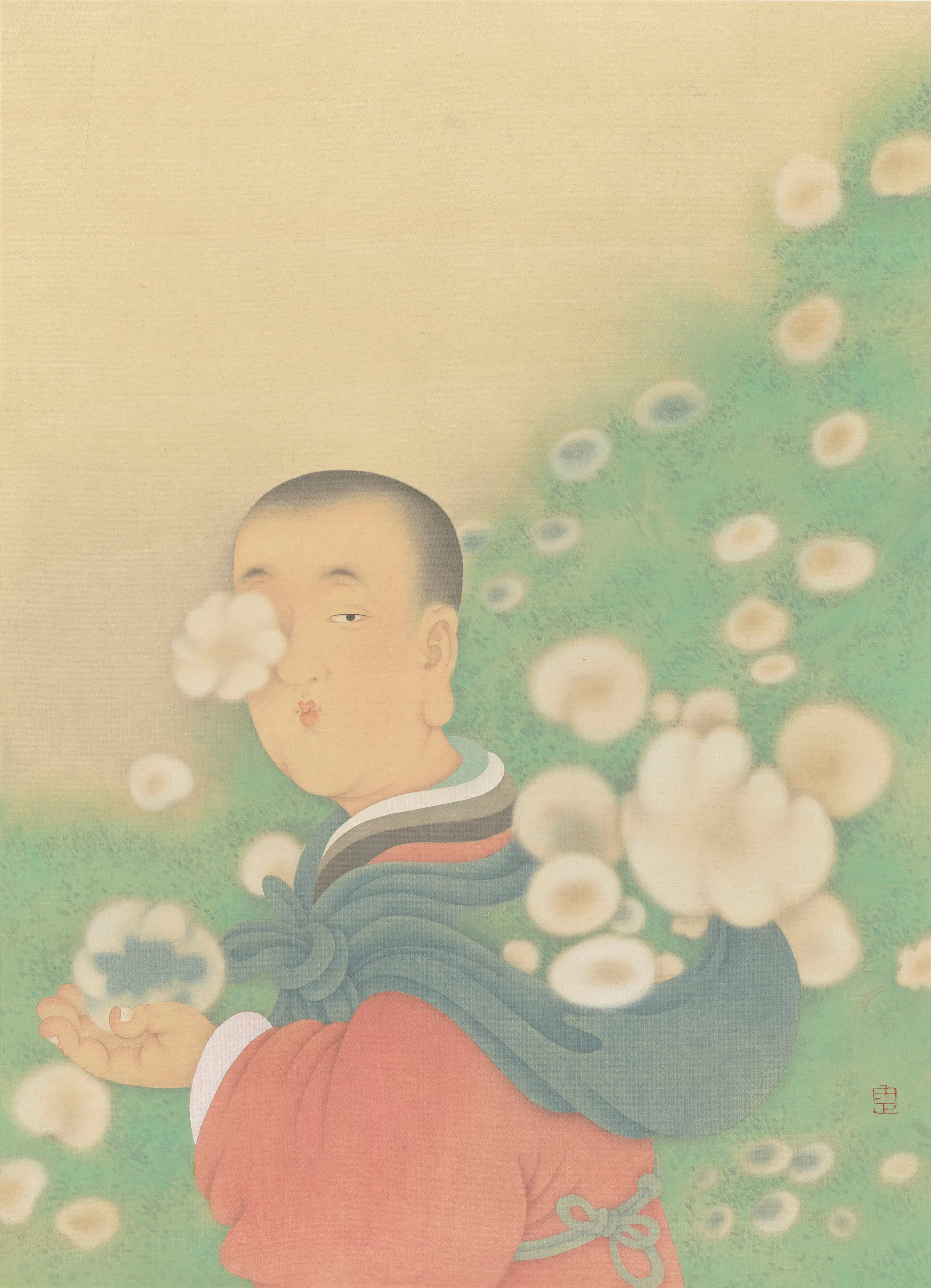
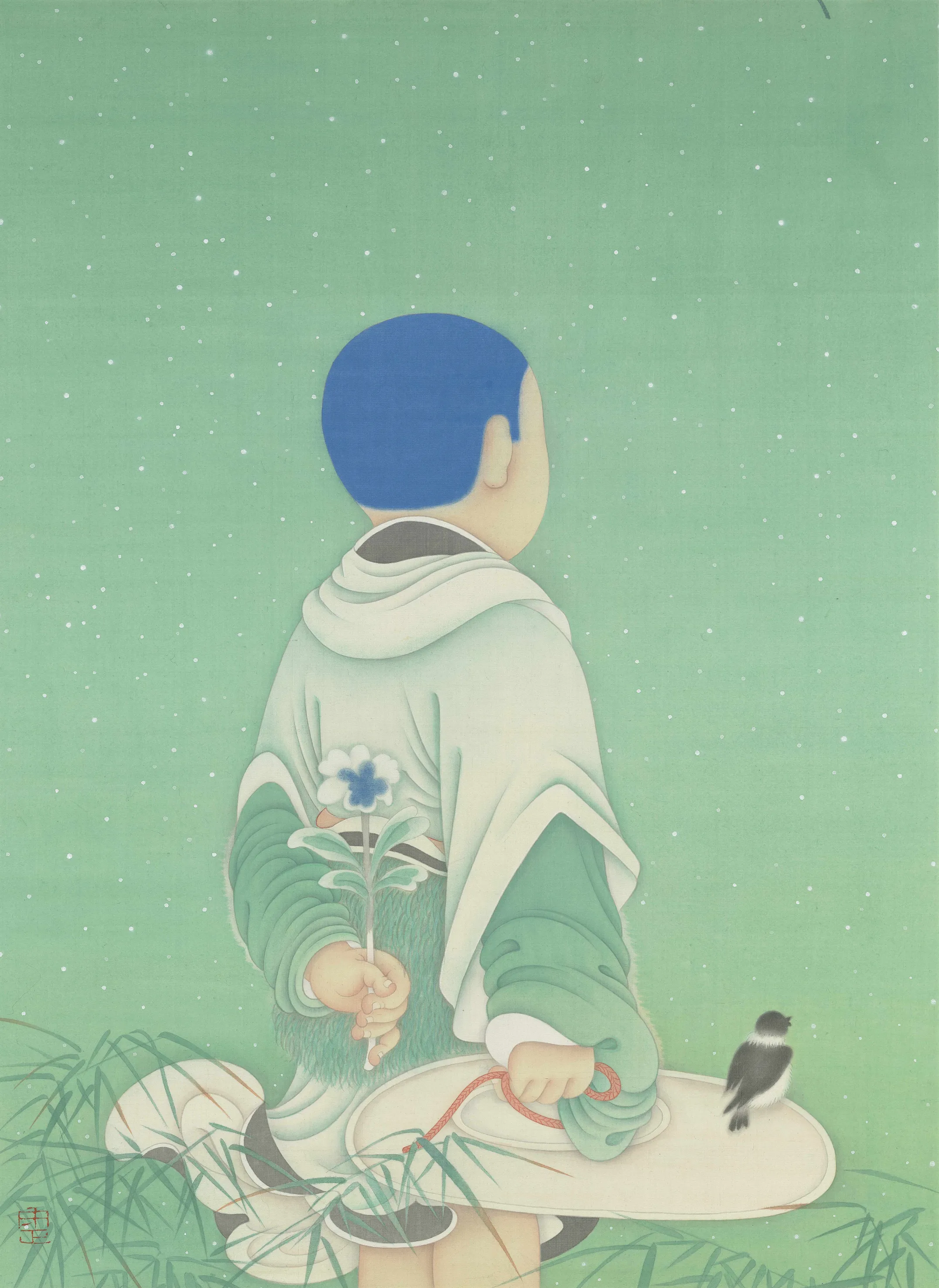
Another equally significant thread turns toward staying and seeing. In Vernal Quietude, Pure Stillness, Pure Clarity, Gazing into Emptiness, and Journey Through Blue Mist, Guo deliberately blurs the boundary between interior and exterior realms. Flowers, mist, and a state of voidness serve as psychological buffers, creating a space for the viewer that “permits hesitation, confusion, and reconciliation with oneself.” (n.2) Here, the meaning lies not in progression but in pause; not in withdrawal from reality, but in slowing one’s pace in order to recover inner calm.
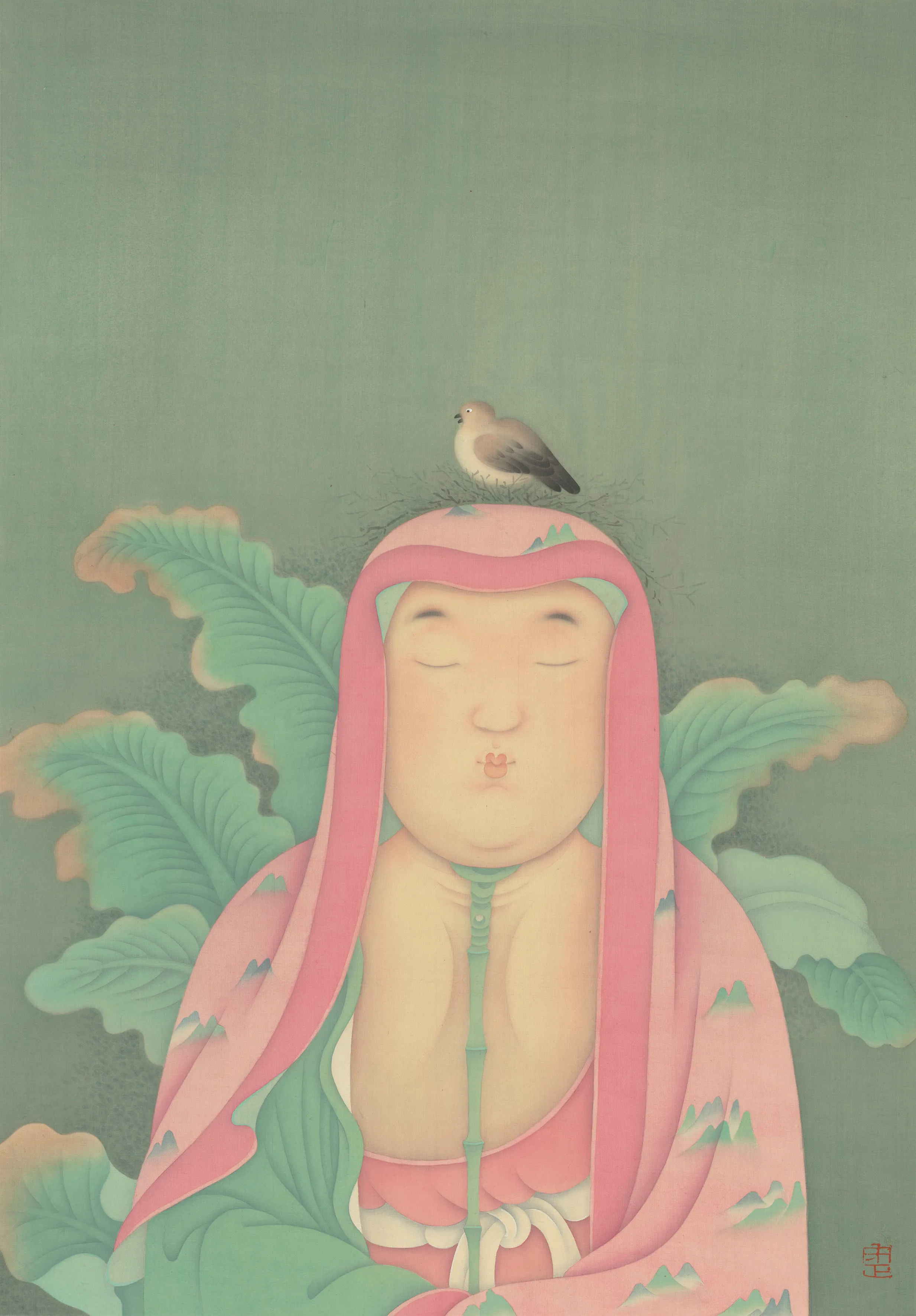
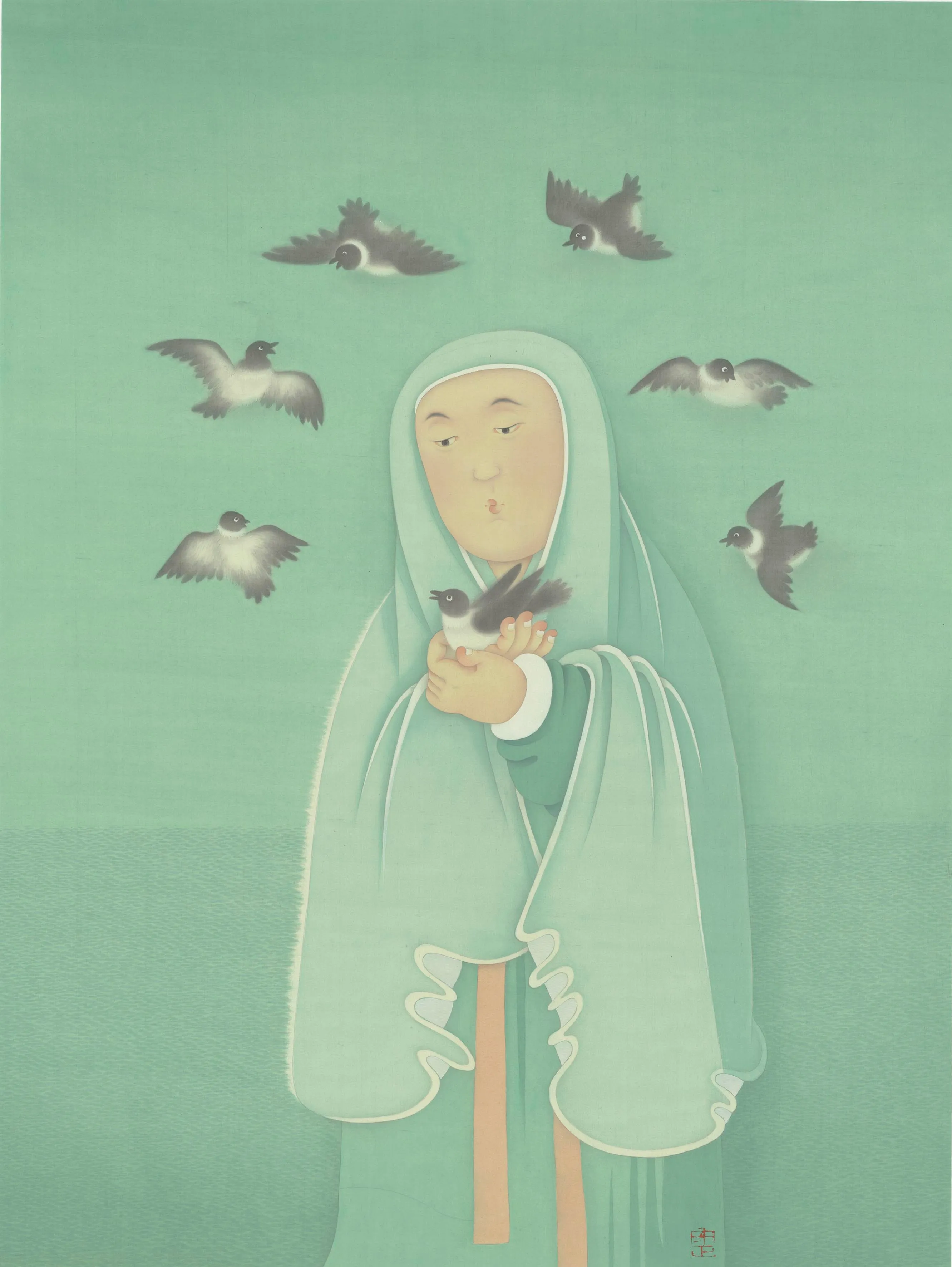
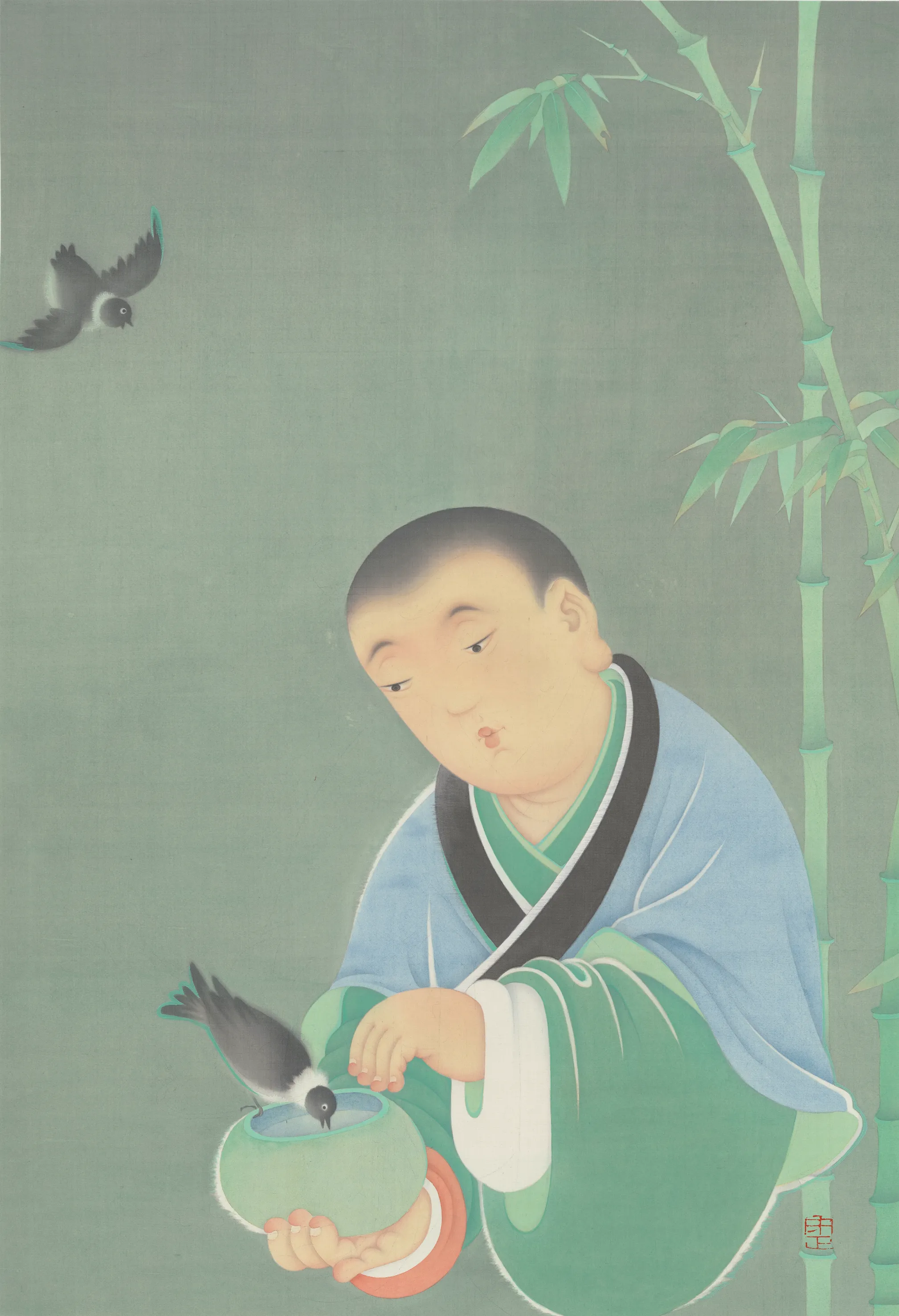
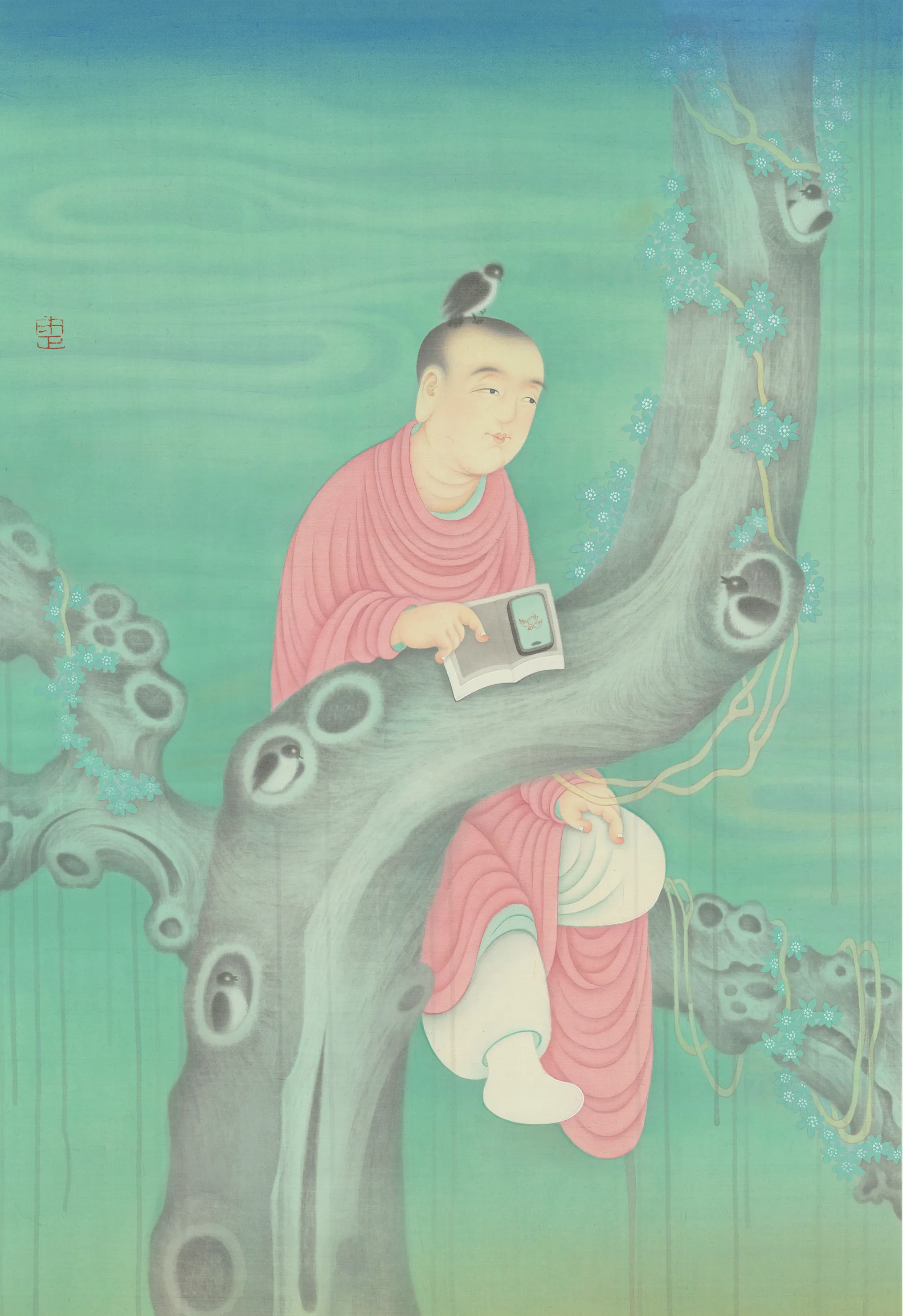
This notion of staying extends further in Feeding the Sparrows and Resting on Branches, Seeing Beyond, where Guo turns his attention to the quiet details of everyday life. He observes the interaction between human beings and small living creatures, as well as the relationship between the self and surrounding things—feeding birds and mindless scrolling on a phone—seemingly trivial acts. These gestures first form gentle bonds between people and the natural world, and then lead toward a reconciliation with the quiet guilt of our unavoidable dependence on digital devices. From classical aesthetic ideas such as the mutual forgetting of self and object, and engagement with things without being possessed by them, Guo derives contemporary interpretations.
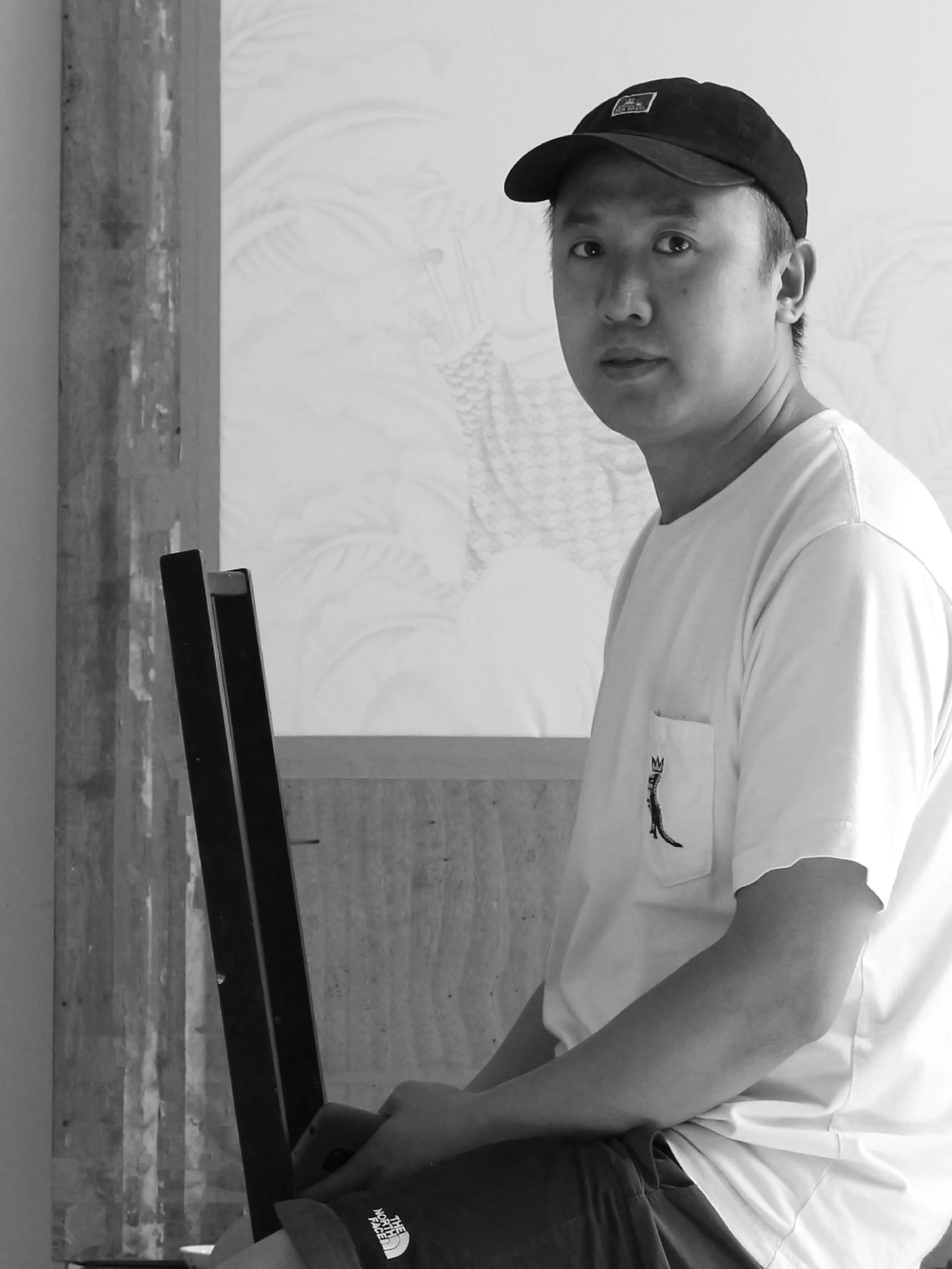
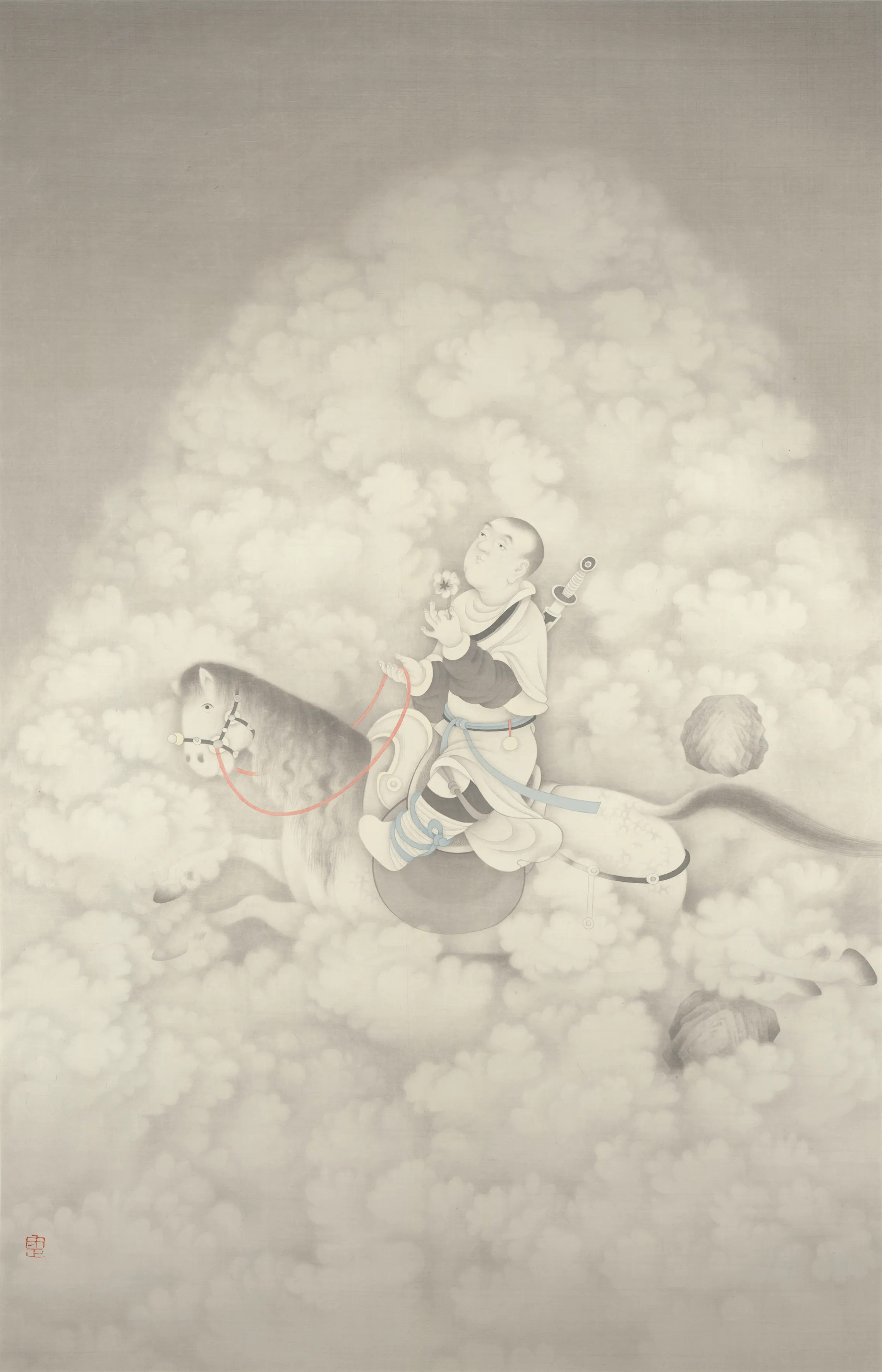
Additional works—Contemplating a Painting, Birds in Passage, Wandering Among Clouds, and Untitled (Portrait of the Artist)—echo the exhibition’s themes through reflections on classical form, the longing for lightness and freedom, and the condition of being. Together they compose the present exhibition.
Taken as a whole, Guo’s practice unfolds a realm of “inward reclusion rather than physical withdrawal” (n.3)—an embodied expression of a contemporary Eastern sensibility. One need not retreat to distant mountains, nor position oneself in opposition to modern life. Even amid noise, urgency, and the tides of the age, a place may still be preserved within the mind—a site for repose, contemplation, and self-reflection.
His hills are landscapes for the spirit to dwell in;
His journeys are paths that keep one from losing oneself.
In Guo’s vision, as-it-is-ness has never resided in distant places. It depends instead on whether we remain willing to leave within ourselves a measure of openness, stillness, and unhurried time for the inner world.
(n.1) From Guo Hui’s artist’s statement for Contemplating a Painting
(n.2) From Guo Hui’s artist’s statement for Journey Through Blue Mist
(n.3) From Guo Hui’s artist’s statement for Resting on Branches, Seeing Beyond






_%E5%B0%8F.webp)
